

Oil, inflation, instability: The expanding cost of war
The deeper the conflict runs, the wider its impact on growth, stability, and global cooperation
Oil, inflation, instability: The expanding cost of war
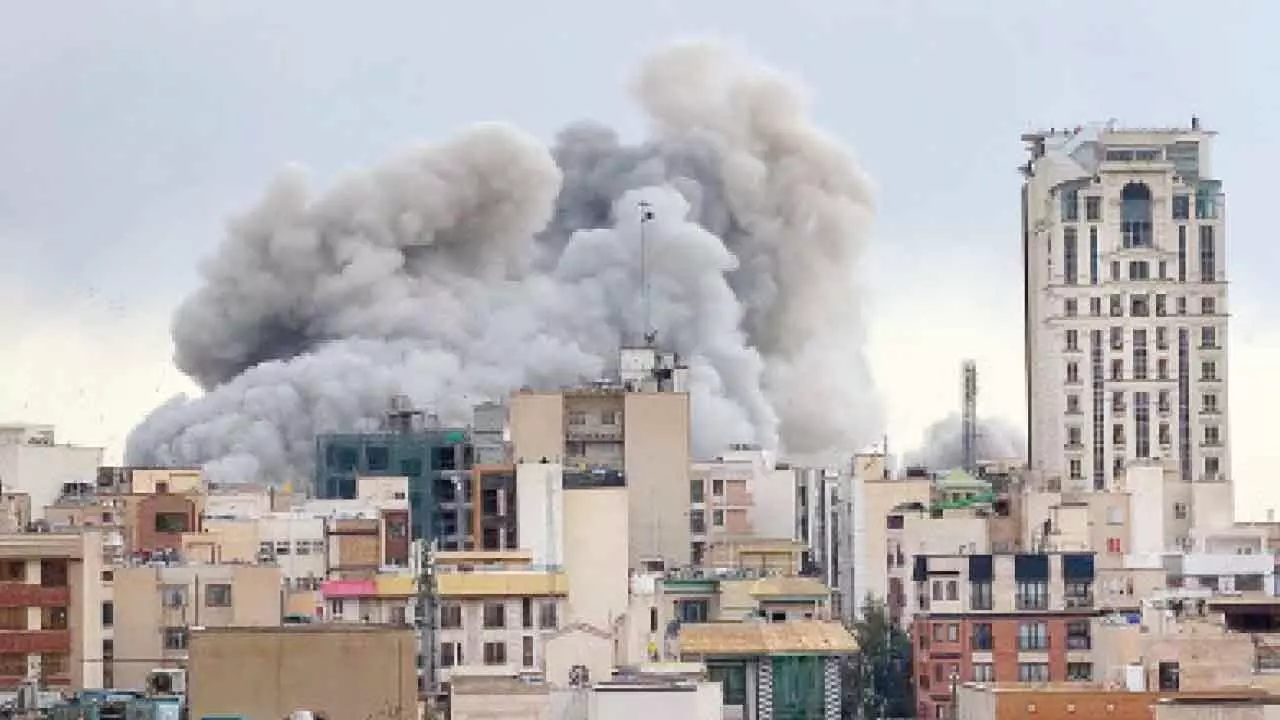
Wars are rarely necessary. They represent a failure of diplomacy and result in widespread destruction, often driven more by political or economic interests than by unavoidable human conflict. Rather than resolving root causes, wars tend to perpetuate cycles of violence. Sustainable peace lies in dialogue, cooperation, and conflict prevention.
The cascading economic fallout from the conflict in the Middle East is extending far beyond the Gulf, reshaping global markets and supply chains in ways that could last for years.
This is not merely a regional crisis. It is a structural shock to the global economy at a time of geoeconomic fragility. The longer it persists, the deeper and more lasting the damage becomes. The initial impact is felt in oil, gas, shipping, and aviation; it then spreads to inflation, industrial costs, and food security; and ultimately affects trade routes, investment decisions, and political stability. There is growing consensus that the world must prioritise mechanisms that render war obsolete, rather than continuing to rely on it as a means of conflict resolution.
The asymmetry at the heart of this conflict’s economic geography is striking. The United States imports relatively little oil through the Strait of Hormuz, while Asian economies bear a disproportionate burden. In 2024, more than 80% of oil and LNG shipments through the Strait were destined for Asia, with China, India, Japan, and South Korea as primary consumers.
Japan depends on the Middle East for about 90% of its crude oil imports, most of which transits through Hormuz. South Korea sources around 70% of its crude from the region, with over 95% routed through the same passage. LNG prices in Asia have surged, prompting South Korea to activate a 100 trillion won (approximately $68 billion) market-stabilisation programme.
China’s substantial strategic and commercial oil reserves may cushion short-term disruptions. However, its already modest growth outlook for 2026 faces increased pressure. Rising energy costs will directly impact production in key sectors such as steel, chemicals, and electronics, squeezing margins and weakening export competitiveness amid ongoing trade tensions.
India, with more limited reserves and a heavy reliance on Middle Eastern crude, is particularly vulnerable to prolonged disruption. Elevated energy prices are fuelling inflation, weakening the rupee, and threatening growth.
Wheat prices have also risen, and analysts warn that lower-income, import-dependent nations could face acute stress if the conflict continues. The war is already complicating monetary policy decisions worldwide. Economists in countries as far afield as Chile and Poland are revising expectations for interest rate cuts as oil prices rise and uncertainty deepens.
The shock is global because price transmission is global. However, its impact is uneven. Wealthier Asian economies can rely on reserves and stabilisation funds, while poorer fuel- and food-importing nations in Africa and Asia face immediate and severe consequences, higher household costs, fiscal strain, supply disruptions, and increased risks of rationing or unrest.
For economies already burdened with debt, the conflict is evolving into a balance-of-payments crisis as much as an energy shock.
The economic architecture of the conflict reveals a deeper contradiction. The United States has imposed significant costs on many of the same economies it depends on as trading and strategic partners. This strain could complicate coalition-building for post-conflict stabilisation and future global crises.
When conflict disrupts one of the world’s most critical trade routes, secondary and tertiary effects multiply in unpredictable ways. Insurance premiums rise, investments are delayed, supply chains are rerouted, and confidence in regional stability declines. What begins as a battlefield disruption quickly becomes a geoeconomic shock.
If oil prices remain elevated, global inflation will exceed pre-conflict forecasts while growth slows. This may seem incremental, but for import-dependent economies already under strain, the consequences are significant. Fertiliser shortages will affect agriculture, crop losses will emerge over time, and food insecurity will worsen.
If the conflict persists, governments will face mounting pressure from rising import bills, tighter monetary conditions, shrinking fiscal space, and growing domestic unrest.
The true cost of war is often reflected not in headlines, but in quieter realities—under-fertilised farms, rerouted flights, scarce industrial inputs, and households struggling with rising food and fuel costs. For many economies, the margin for error is rapidly disappearing.





